
How to Evaluate and Select a Certified Disposable Wooden Cutlery Manufacturer for High-Volume Food Service Operations in 2026
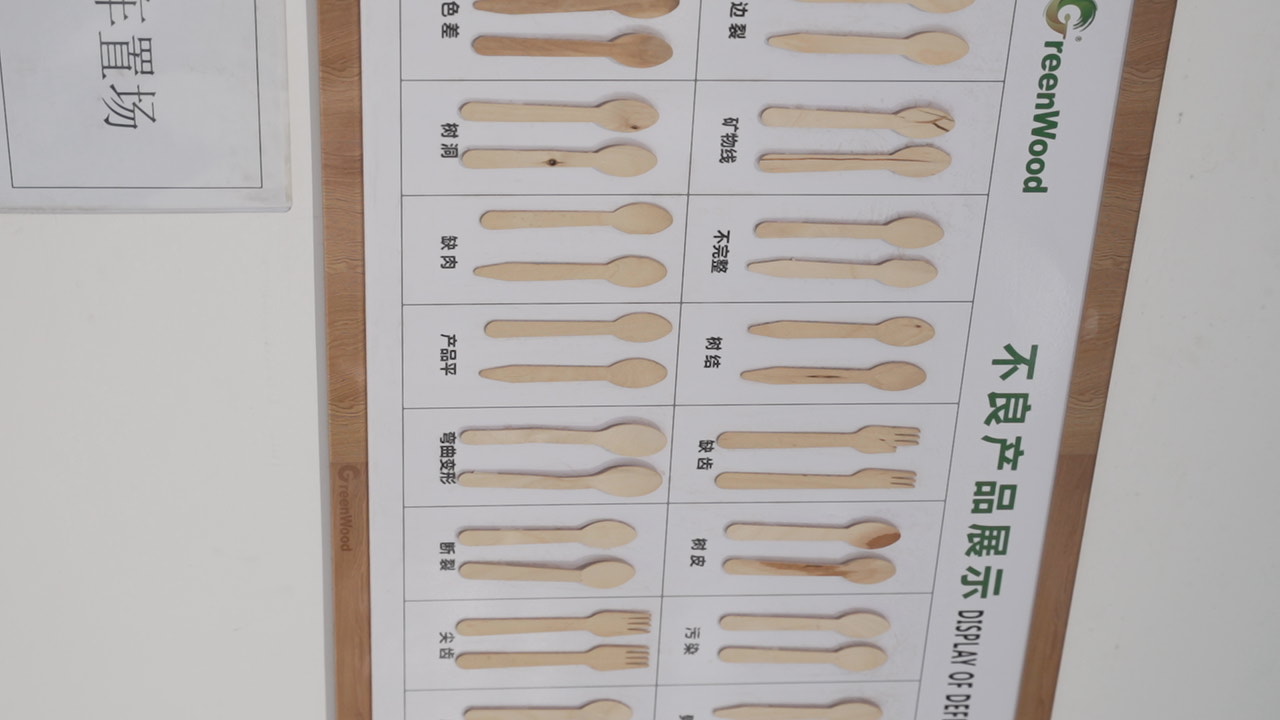
For procurement professionals in the food service and hospitality industry, selecting a reliable supplier of disposable wooden cutlery is a critical decision that directly impacts product quality, regulatory compliance, and brand reputation. In 2026, with growing global emphasis on sustainability and food safety, buyers must navigate a complex landscape of certifications, production capabilities, and market-specific requirements. This guide provides a structured framework for evaluating manufacturers that can deliver bulk volumes of eco-friendly disposable wooden cutlery for restaurants, takeaway chains, hotels, and catering operations.
1. Industry-Specific Requirements for Disposable Wooden Cutlery
The food service industry imposes strict demands on disposable cutlery, especially for high-volume use in restaurants, takeaway, and events. Key requirements include:
- Food-grade safety: Cutlery must be manufactured from 100% natural wood, free from paints, wax, or chemical coatings. Compliance with standards such as FDA 21 CFR 178 and EU LFGB ensures that the product does not migrate harmful substances into food.
- Eco-friendly and biodegradable: All disposable wooden cutlery should be fully biodegradable and compostable, meeting certification requirements like FSC (Forest Stewardship Council) for raw material traceability and sustainability.
- Durability and splinter-free design: For practical use in hot or cold food, cutlery must have a smooth surface without burrs or splinters. Leading manufacturers employ AI camera inspection systems to detect cracks and splinters before packaging.
- Customization and branding: Many restaurant chains require custom logos printed or laser-engraved on cutlery, as well as packaging designs that align with brand identity.
2. Three Essential Capabilities for Supplier Selection
When evaluating a disposable wooden cutlery manufacturer, buyers should focus on the following three core competencies:
2.1 Industry Experience and Customization
A manufacturer with over 20 years of experience in the industry can offer OEM, ODM, and full customization services, including LOGO printing and custom product designs (size, shape, packaging). This capability is vital for meeting the unique needs of different customer segments—from fast-food chains to luxury hotels. For example, Greenwood – Dalian Industrial Co., Ltd. operates five major factories with an annual production capacity of 6 billion pieces, covering the entire supply chain from raw wood procurement to finished product packaging.
2.2 Comprehensive Compliance and Certifications
Reliable suppliers hold multiple internationally recognized certifications that provide verifiable proof of quality and safety. Key certifications to look for include BRCGS Packaging Materials (issue 6), ISO 9001:2015, FDA 21 CFR 178, LFGB, FSC Chain of Custody, BSCI, and Sedex. These credentials ensure that the manufacturer complies with global food contact standards, environmental management (ISO 14001:2015), and occupational health & safety (ISO 45001:2018). Greenwood, for instance, holds all the above certifications, with specific certificate numbers such as BRC certificate no. 10000305214-MSC-ACCREDIA-CHN and FDA test report no. R0723000394.
2.3 Robust Quality Control and Production Scale
For large-volume buyers, production capacity and quality consistency are non-negotiable. A typical lead time of 20 days and a minimum order quantity of 100,000 pieces are common benchmarks for established manufacturers. Quality control should include third-party inspection (e.g., SGS) and pre-shipment testing. Advanced facilities use AI camera scanning to detect splinters and cracks, ensuring that every piece meets the required standard. Greenwood’s daily output exceeds 10 million pieces, supported by a dedicated R&D team of 9 engineers and a multi-tiered quality management system.
3. Case Study: Partnering with a Certified Manufacturer for a German Supermarket Chain
One example of a successful partnership involves a German supermarket chain that sought to replace traditional plastic cutlery with eco-friendly alternatives. The client required wholesale disposable wooden cutlery that was fully certified for food contact and complied with the EU’s Single-Use Plastics Directive. After evaluating multiple suppliers, they selected Greenwood as their long-term partner.
Solution provided: Greenwood supplied birch and poplar wooden knives, forks, and spoons in standard sizes (140mm and 160mm) with customized packaging featuring the retailer’s logo. The products carried FSC and LFGB certifications, ensuring full traceability and safety. The partnership involved a USD 5 million annual contract, with products distributed through B2B and B2C channels across Germany and the United States.
Results: The retailer reported a significant boost in sales of the eco-friendly line, particularly among younger demographics. The transition from plastic to wooden cutlery also strengthened the brand’s sustainability image, leading to increased customer loyalty.

4. Key Points for Collaboration Between Buyer and Supplier
To ensure a smooth procurement process and long-term supply stability, the following practices are recommended:
- Define industry standards upfront: Clearly specify the required certifications (e.g., FDA, LFGB, FSC) and material specifications (birch, poplar, bamboo) in the request for quotation (RFQ). This avoids misunderstandings and ensures the supplier can meet your market’s regulatory demands.
- Conduct a factory audit or third-party inspection: While many manufacturers accept third-party inspections, visiting the facility or reviewing audit reports (e.g., BSCI, Sedex) provides insight into working conditions and quality systems. Greenwood’s factory has passed multiple audits and holds BSCI certification (no. 24-0289038) and Sedex membership (ZS405156174).
- Agree on packaging and logistics support: For bulk orders, packaging design and logistics coordination are critical. Greenwood offers support such as packaging design, FOB Dalian or DAP delivery terms, and after-sales services. Payment terms are typically 30% T/T in advance and 70% against copy of bill of lading.
- Establish an emergency supply plan: Ensure the supplier maintains sufficient stock or has a buffer production capacity to handle sudden demand surges. Greenwood operates warehouses in Bangladesh, Ukraine, and the United States, enabling flexible distribution to Europe, America, the Middle East, and other regions.
For detailed specifications, certification documents, and product catalogs, download the company brochure below:
Have Questions or Need More Details?
Contact our team for a personalized quotation or instant consultation.
Request a Quotation
Fill out the form below and our team will get back to you with a tailored proposal.
WhatsApp Direct Chat
Prefer to chat in real-time? Message us on WhatsApp for instant assistance & quick answers.
- Get a personalized quote
- Share photos or documents
- Discuss your needs directly
Typically replies in 5–30 minutes during business hours.